
From Starting Again to a Mindful Life

This post is part of my My Story series, where I share the journey from life-changing illness to slowly rebuilding a meaningful life. If you're new here, I'd recommend starting with the first post: From Salsa Dancing to Swine Flu.
When There Were No More Answers
Once I was settled into my new home, life became much calmer. There were no battles to be fought. My life and my space were my own, which was much easier for me to cope with. I left the house just once a week, to spend time with friends, which would wipe me out. So I spent the next six days home alone, resting the best I knew how at the time.
The move had triggered a change in GP, who prescribed me neuropathic pain medication, which helped a little with the pain. But she also referred me to the local Pain Clinic.
Filled with hope, I went to see the Pain Clinic consultant. Within minutes he said, “You will always be in pain and you will never get better. I cannot do any more for you than your GP is currently doing.” I left that appointment in tears just a few minutes after walking in, discharged back to my GP yet again!
It seemed there were only two options available to me: succumb to the pain and fatigue, and end up back at rock bottom, or see if there was anything, however small, that I could do to help myself move forward. It was clear that the medical profession had no idea how to help me.
Up until this point, the time after my diagnosis had been spent constantly fighting metaphorical fires. Now I had the time to really take stock and look into how to move forward in life, how to live a life with chronic illness, pain and fatigue. I’d spent years clinging onto hope that I would one day recover. But the medical profession had no answers on how to achieve that. It felt like they had given up on me. But I was fed up with treading water, living life on constant pause. That wasn’t living, it was barely surviving. I wanted to live, not spend my days waiting for something that may never happen.
How do you accept something without resigning yourself to it and giving up?
I started to listen to different podcasts about health, and one key aspect of living with chronic illness kept coming up—acceptance was the key to moving forward. But I didn’t want to accept my situation, I wanted to improve it. How do you accept something without resigning yourself to it and giving up? I felt that I needed to learn from someone who had chronic illness and had accepted it and found a way to improve their life.
Discovering Mindfulness with Chronic Illness
That's when I came across the book Living Well with Pain & Illness: Using Mindfulness to Free Yourself from Suffering, by Vidyamala Burch. According to my Amazon account, it was already on my Kindle. It turned out I'd bought it a couple of years earlier, but I simply wasn’t up to the task of reading books at that point in my life, and then I’d forgotten about it. There were too many other things going on, and my illness was still very much in free fall at that time. I simply didn't have the cognitive capacity to read. Looking back, I'm glad I didn't try to force it earlier. At that stage I was still overwhelmed, simply trying to survive each day. That alone was more than enough. The book hadn't arrived too late; I'd found it too early. Now, for the first time, I was finally in a place where I could begin to hear what it had to say.
Living Well with Pain and Illness is part memoir and part practical guide to living well with chronic pain and illness, through the lived experience of Vidyamala Burch, who lives with chronic back pain, after an accident and several surgeries. This is exactly what I needed. If this lady could do it, then I could too. I wasn’t looking for or expecting a miracle cure, just a way to cope and live better than I currently was.
I was always sceptical of anything that sounded a bit “woo woo”, but Vidyamala wasn't promising a cure, only a way to cope better. This made her words seem more genuine to me, so I read with an open mind. I read about Vidyamala’s story of accidents, and surgeries, and a great deal of pain and despair. But through all this suffering she discovered something remarkable that made the pain more bearable, mindfulness. She talked about taking things one moment at a time, instead of trying to grasp the whole picture in one go.
I then realised that it was this one moment, one step at a time, approach that got me through the darkest day of my life, which I wrote about in From Rock Bottom to Starting Again. So Vidyamala’s words really struck a chord with me. I felt totally overwhelmed on that day because I was trying to look at and deal with the whole picture at once. But when I started to take just one small step at a time, tackle one challenge at a time, getting through started to feel possible.
I'd started this journey wondering how anyone could accept chronic illness without giving up. What I slowly discovered was that acceptance wasn't giving up at all. It was the first step towards taking my life back.
I was so excited, and still struggling cognitively, that I didn’t actually finish that book. Instead I bought another one, and this led to huge changes in my life.
The book was Mindfulness for Health: A practical guide to relieving pain, reducing stress ad restoring wellbeing, by Vidyamala Burch and Danny Penman. It introduced me to mindfulness with chronic illness in a practical, compassionate way through an eight week programme designed for people living with chronic pain and fatigue. Vidyamala's lived experience helped me trust the course, because she had developed it to help people like me.
I continued reading the book, and started to follow the eight week programme. Although I know that it took me much longer than eight weeks. At that time, reading and comprehending what I was reading was often still quite a challenge.
The book came with a CD containing a selection of different guided meditations, which were each introduced at various points in the book, with explanations of why each can be useful. There were also various suggested mindfulness practices to try, e.g. watching the clouds in the sky.
Whilst slowly working my way through this programme, I started to realise quite how tense I was, all of the time. It was as if my body was constantly trying to curl up into a ball, to wrap itself around my pain and protect it. In truth, it was just adding to it! I also learned that my pain was not as solid and fixed as I’d always believed. It was fluid, always present, but ever-changing.
Learning to Notice Again
These practices also caused me to realise that I was never relaxed, not truly. Even when I thought I was resting, I was never totally letting go. Something which is very hard to do when you are in constant pain and constantly fatigued. It really was a vicious circle.
In turn, this all started to help with something else that I had recently been trying to do. Keeping a gratitude diary. I had understood the logic that if we only focus on the negative, then we will only ever see the negative. But I lived alone, 100 miles from my family, could no longer drive, was isolated in a small village that didn’t even have a shop, and was only able to leave the house once a week. Most days I was struggling to find three things to be grateful for, even though I knew there were people around the world far worse off than me. The early days of my gratitude diary didn’t have much variety: roof over my head, clean running water and food in my cupboards. Huge things, for sure, but many days I could not think of anything else.
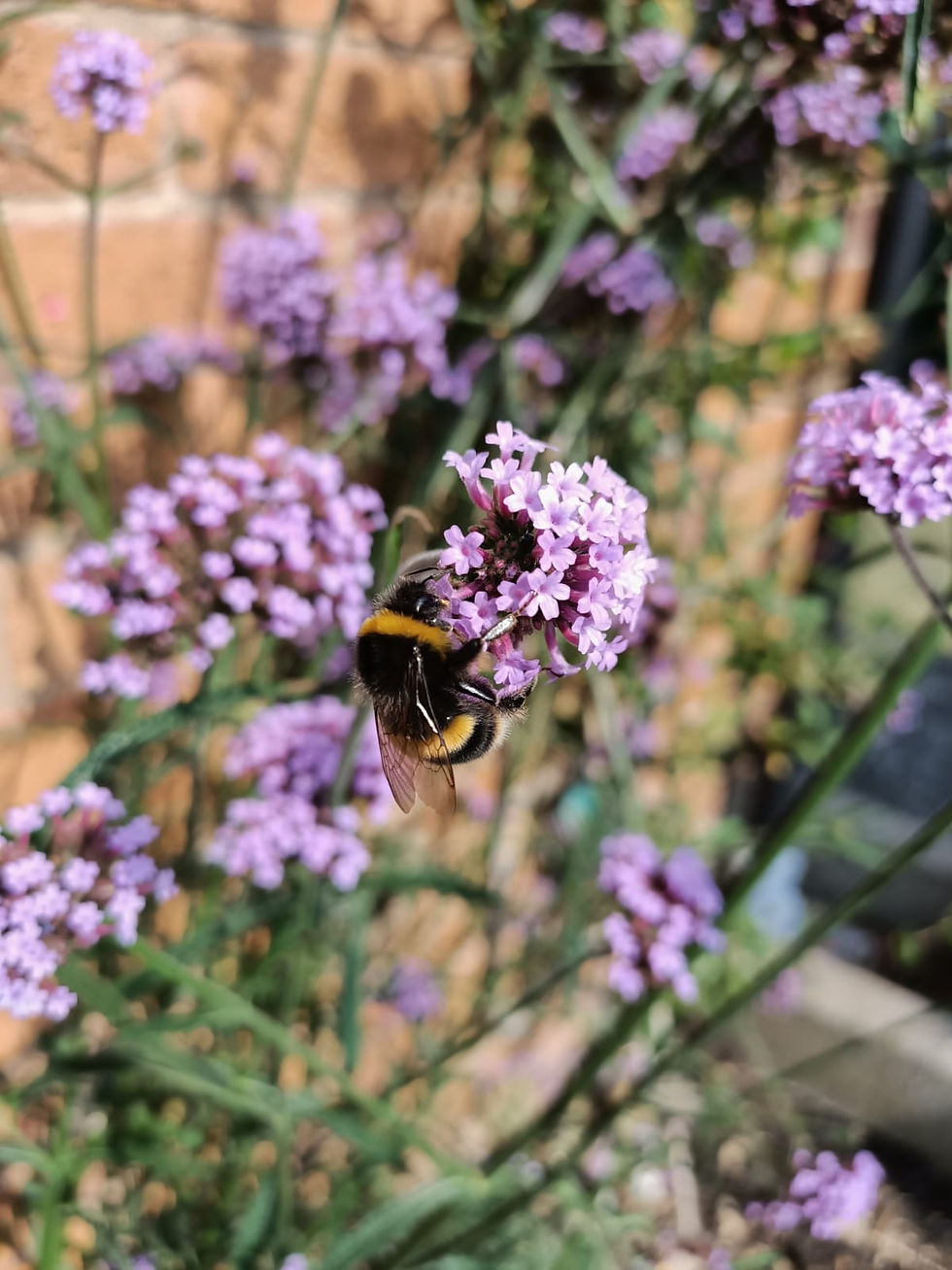
Once I started doing the mindfulness exercises regularly, I started to notice things through my window. A bee on a flower, a bird visiting my garden, the pattern of the clouds or the sound of the rain. Small things, yes, but I stuck with it and soon noticed that I was finding more than three things to write down in my gratitude diary each day. It felt as though a door in my mind had finally opened after being firmly shut for a long time. These small, positive things had always been there, but through illness, stress, struggles and heartbreak, I had lost complete sight of them all.
I wrote more about how this shift changed the way I experience everyday life in Stopping to Smell the Roses.
These small, positive things had always been there. I had simply lost sight of them.
Learning to Rest Properly
Alongside the mindfulness exercises, I was following the short meditations on the CD. These practices soon became the best part of my day, because it was the only true rest I was getting. I was starting to let go a bit, plus, there’s no multitasking on various screens while you are following a guided meditation. Something I hadn’t realised I was always doing while “resting”. I soon learnt that there is rest and there is rest, and, plot spoiler, one isn’t resting at all!
That was my life for the next few years. Out one day a week with friends. Then the other six spent learning to be present, mindful, and grateful, while also learning how to really listen to my body and how to rest it properly.
I soon learnt that there is rest and there is rest. Plot spoiler: one isn't resting at all!
The Tap Root of My Healing Journey
Looking back now, I realise mindfulness became the tap root of my healing journey. Like the deep central root of a tree, it anchored me when my whole world felt uncertain. From it, every other root slowly began to grow.
Sometimes the things we need have been there all along. We just aren't always ready to see them. Have you ever experienced something like that? I'd love to hear about it in the comments.

Looking for something else to read?
Browse more posts by topic on the Explore page.
Want to follow my journey?
Stay connected with Yew and Me and never miss a new post.
Choose whichever suits you best:
Follow the Yew and Me WhatsApp Channel — for new posts and occasional behind-the-scenes updates.
Subscribe by email — I'll send new posts straight to your inbox (no more than once a week).


Comments